

Alcohol and the risk of sleep apnoea: a systematic review and meta-analysis PMC
Contents
If you don’t have sleep apnea, drinking in moderation is usually fine. It’s a good idea to have your last drink at least a couple of hours before bed, so that the alcohol doesn’t affect your sleep quality. And remember that alcohol can lead to a poor night’s sleep with or without sleep apnea symptoms. Because alcoholism is a chronic disease, a person with this condition may struggle to stop drinking despite repercussions like sleep apnea. For these individuals, alcohol addiction treatment is often required to achieve sobriety.
I use and have8 used a clap for years and I agree that alcohol does not work well. I also agree that sleeping on your side is much better when and if you use a clap machine. The better job you do at managing it, the more adept you’ll be at continuing to lead the lifestyle you want without compromising your body’s ability to rest and make you productive the next day. Effects of sleep apnea, you should avoid alcohol altogether; but, it’s still possible to enjoy alcohol occasionally in moderation.
- Humidity does not affect the efficacy of the CPAP therapy however, it can make it more comfortable for your body to take the therapy.
- Each guide and article includes a comprehensive bibliography with full citations and links to the original sources.
- We searched Medline, EMBASE and Web of Science databases from 1985 to 2015 for comparative epidemiological studies assessing the relation between alcohol consumption and sleep apnoea.
- You may also struggle with snoring, night sweats, nightmares, headaches, and insomnia.
However, the health benefits of quitting alcohol alone are more than enough to consider long-term sobriety. Secondly, the population in this study is the hospitalized population of a high-level hospital, which is not well represented, and the extrapolation of conclusions needs to be cautious. This case–control study involved inpatients with suspected OSA admitted from August 2014 to December 2017 to a large Chinese tertiary hospital. The inclusion criteria were inpatients with suspected OSA and inpatients who agreed to have overnight polysomnography examination and were able to tolerate it.
Can You Die From Sleep Apnea?
However, even if you have one of these machines, one of the things that you should be aware of is alcohol use. With sleep apnea, your air passageways close while you are sleeping and actually cause you to wake up in order to breathe. Some people don’t even realize that they are waking up briefly over and over again throughout the next. This obstructive sleep is why so many people with sleep apnea often feel so tired the next day even if it appears as though they slept through the night.
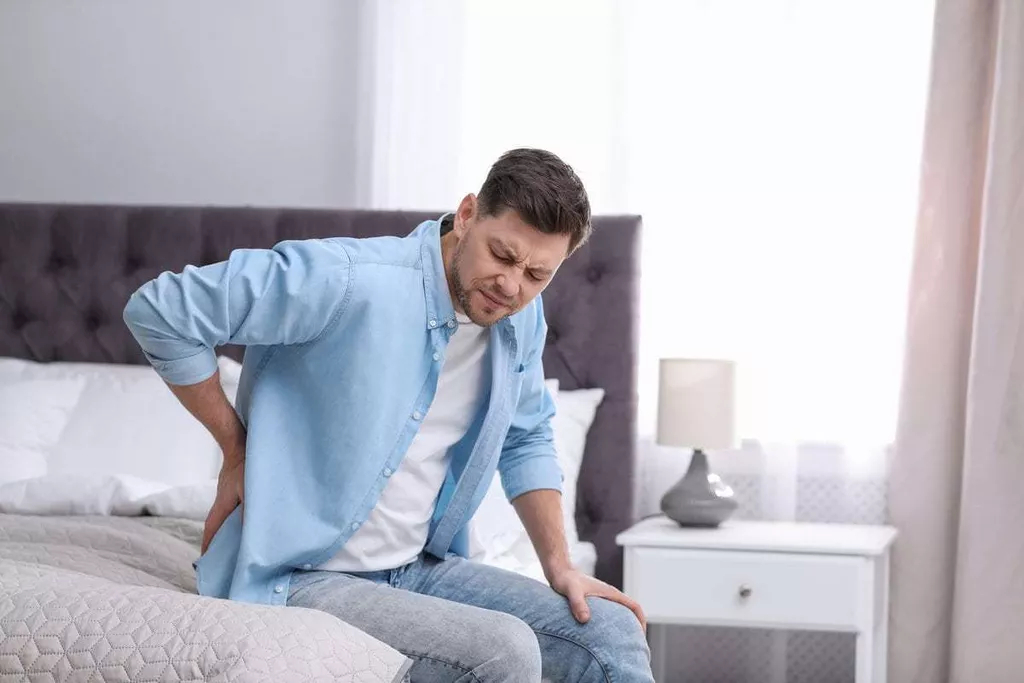
This is not drunk driving – these accidents are from fatigue the following day. IBM SPSS Statistics for Windows, version 24.0, was used for the data analyses. The significance level for all tests was set at a two-tailed α value of 0.05. The differences in the means and proportions were evaluated using Student’s t- and chi-square tests, respectively. Logistic regression models were used to identify the association between alcohol consumption on OSA.
The Relationship Between Alcohol and Obstructive Sleep Apnea
We regularly assess how the content in this article aligns with current scientific literature and expert recommendations in order to provide the most up-to-date research. Although Sleep Foundation maintains affiliate partnerships with brands and e-commerce portals, these relationships never have any bearing on our product reviews or recommendations. All scientific data and information must be backed up by at least one reputable source. Each guide and article includes a comprehensive bibliography with full citations and links to the original sources. Our team of writers, editors, and medical experts rigorously evaluates each article to ensure the information is accurate and exclusively cites reputable sources.
Can I take melatonin every night?
Regardless of whether it truly helps with sleep or not, Dr. Ramkissoon doesn't recommend taking melatonin long-term. ‘Namely, because if you think you need to take melatonin every night to get to sleep, we need to understand why that's the case,’ explains Dr.
Forest plot of the association between levels of alcohol consumption in people with and without OSA. People who have already been diagnosed with sleep apnea should talk with their doctor if their symptoms do not improve after starting treatment. A doctor can discuss alcohol habits and other lifestyle choices, as well as recommend steps to make treatment more effective. In addition to its potential impacts on breathing and sleep apnea, alcohol can interfere with sleep because of its effects on brain activity. OSA is much more common than CSA and involves the airway being blocked by tissues in the mouth and throat. In CSA, breathing problems occur because of disrupted signaling between the brain and respiratory muscles.
Diagnosing Obstructive Sleep Apnea
In central sleep apnea, the brain and respiratory muscles fail to properly regulate breathing. Alcohol reduces activity in the brain and central nervous system, which can make CSA worse by slowing a person’s breathing. Meanwhile, people with OSA who use CPAP should remain aware of other possible effects of alcohol what is a high functioning alcoholic on sleep. Especially for people who have sleep apnea, understanding alcohol’s effects on sleep can be an important part of optimizing lifestyle choices to promote healthier and more restful sleep. Drinking alcohol can disrupt your sleep cycles and decrease the amount of time you spend in REM sleep and deep sleep.
Alcohol consumption was defined as drinking at least one glass of wine within the past 30 days. According to the World Health Organization definition , a glass of wine refers to 1/2 a bottle of beer, 2.5 glasses of wines or fruit wine, or 0.8 glasses of wine . If you’ve indulged a bit too much the night before, don’t be surprised if you wake up dehydrated and sleep-deprived. And if you’ve stayed up later than usual, you’ll likely feel even worse. Click HERE for important FDA information about risks and contraindications for treatment.
Have Health Insurance?
So, consider skipping the night cap and hopping into bed completely sober for a restful night’s sleep. While it’s a common myth that alcohol can help you sleep, science shows otherwise, particularly for those with OSA. Alcohol may increase the number of what causes alcohol addiction times you stop breathing during the night. Essentially, this means your SA is more severe when you drink alcohol. Someone might have mild SA on a normal night, but moderate or even severe SA when they drink based on the number of apnea events they have.
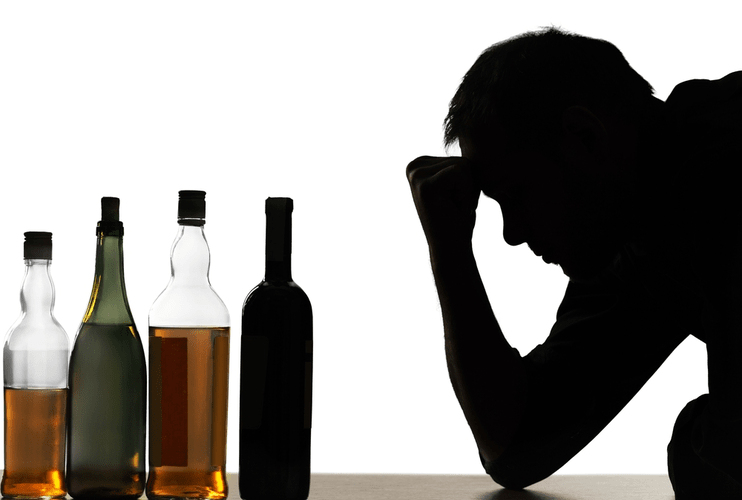
Melatonin is a hormone produced by your body that helps regulate your sleep-wake cycle. Melatonin production increases when it gets dark and decreases when it’s light. Drinking alcohol up to an hour before your regular bedtime can reduce your melatonin production by up to 19 percent. Lowered melatonin levels lead to restless sleep, which leads to fatigue and sleepiness the next day. The general recommendation for alcohol and sleep apnea is to abstain from drinking if possible.
In 2020, opioid-related deaths only surpassed alcohol deaths by seven percent. These numbers place alcohol as the third-leading preventable cause of death in the country. This case–control study evaluated patients with confirmed OSA and a control group using polysomnography .
So, alcohol alone won’t cause sleep apnea, but it will cause sleeplessness and will certainly impact your sleep apnea if you have it. Verywell Health uses only high-quality sources, including peer-reviewed studies, to support the facts within our articles. Read our editorial process to learn more about how we fact-check and keep our content accurate, reliable, and trustworthy. It disrupts the natural sequence and length of sleep states by changing the total amount of time you sleep and the time it takes you to fall asleep.
The exclusion criteria were those could not be reached and did not cooperate with the investigators. The patients were divided into definite OSA or control groups according to their sleep respiratory monitoring results. The best thing to do is avoid alcohol, continue your CPAP therapy, and replace your CPAP supplies regularly with Aeroflow Sleep.
Although alcohol is not considered a direct cause of sleep apnea, drinking can definitely worsen sleep apnea and increase a person’s risk of developing it. Sleep apnea is caused by the relaxation in the muscles of the mouth and throat, blocking the person’s airway. It also prevents the body from physically responding to any changes, like the inability to breathe. This means the person won’t immediately wake up even though their body may be signaling the lack of oxygen. If a person who’s been drinking stops breathing in their sleep, the effects of alcohol will make it difficult for them to wake up.
Cori’s key responsibilities include supervising financial operations, and daily financial reporting and account management. Cori’s goal is to ensure all patient’s needs are met in an accurate and timely manner. She is a Certified Recovery Residence Administrator with The Florida Certification Board and licensed Notary Public in the state of Florida. When dealing with alcohol addiction, cutting out alcohol can be intimidating.
About this article
Previous studies showed that the risk factors of OSA are complex; besides obesity, gender, and upper airway anatomical abnormalities, alcohol consumption is an important risk factor . A study of teenagers in Hong Kong showed that drinking not only aggravates sleep difficulties and insomnia, but also makes snoring more pronounced among drinkers . And we firstly showed that there was gender difference in the effect of alcohol on OSA and AHI in Chinese population. Obstructive Sleep Apnea is the most common sleep disorder, and drinking alcohol exacerbates it.
There is a connection between alcohol and sleep apnea, although doctors are not sure what it is. It does not appear that drinking causes obstructive sleep apnea, but the effects of excessive alcohol use can create conditions that lead to sleep apnea. Results were extracted from the individual studies as either adjusted measures of effect, crude measures of effect, or using raw data. Effect estimates adjusted for smoking and other factors were used in preference.
The idea of a nightcap – a drink before bed – is a popular one. Many people believe that a drink or two before you turn out the lights helps you sleep better. While research has proven that this is not the case, for people with sleep apnea, early signs of liver damage from alcohol a drink before bed can actually be dangerous. If you have been diagnosed with OSA or suspect it, speak with your doctor about treatment options. If you’re drinking excessively, consider talking to your primary care provider about this.
Why does alcohol help sleep apnea?
Alcohol relaxes your muscles while you sleep and can reduce what is called an arousal response time. This is the body's natural impulse to wake up when you can't breathe. With this arousal response diminished, an apnea event is prolonged.
Even if you’ve been sleeping for 7 to 9 hours, you may wake up feeling tired. You’ll spend more time in lightwave sleep, you’ll wake up more often, and you won’t get restful sleep. Maybe you wake up with a very dry mouth, or wake up in the middle of the night gasping for air. You may have obstructive sleep apnea that’s affecting your sleep. People with sleep apnea who drink are five times more likely to get into a fatigue-related accident.
Try not to stay up too much past your usual bedtime — this only increases alcohol’s sleep-depriving effects. If you believe you have sleep apnea related to late-night drinking, don’t despair. The first step is to see the experienced Silent Night Therapy sleep team for a complimentary review of your sleep habits and lifestyle. Relief from your poor sleep could be as simple as adjusting your nightly routine and losing a few pounds. If your breathing becomes too slow, as it might with sleep apnea, your body tries to wake you up to start breathing normally again.
Deixe uma resposta